Bone density is easy to overlook because you cannot feel it changing day to day.
Unlike strength, fitness, mobility, or body composition, it is not something most people actively track. It often only becomes a focus after a scan, an injury, a diagnosis, or a change in life stage.
But bone health matters long before that point.
For many professionals working in Mayfair, health and fitness decisions are often made around busy schedules. Training, recovery, nutrition, and testing need to be efficient, focused, and easy to access. Bone health should be considered in the same way: proactively, not only when a concern appears.
Your bones support how you move, train, recover, and maintain physical confidence over time. They also play an important role in long-term resilience, particularly as strength, balance, and mobility become increasingly important with age.
At HOOKE, based on Brook Street in Mayfair, we believe health decisions should be proactive, personalised, and based on clear information. Bone density is one part of that picture. Understanding it can help you make better decisions around training, nutrition, lifestyle, and long-term physical performance.
What Is Bone Density?
Bone density refers to the amount of mineral content within your bones. In simple terms, it is one measure used to understand bone strength.
Higher bone density generally indicates stronger bones. Lower bone density may be associated with a higher risk of fractures, particularly when combined with other risk factors such as age, health history, medication use, menopause, low body weight, or previous fractures.
Bone density is commonly assessed using a DEXA scan. According to the NHS, DEXA scans help assess the risk of breaking a bone and can detect small reductions in bone density before a fracture occurs. The NHS also notes that bone density results are only one part of the picture, and wider risk factors should also be considered.
This is important because bone health should not be viewed as a single number in isolation. It should be interpreted alongside your health history, training background, nutrition, movement quality, and wider goals.
Why Bone Density Is Often Overlooked
Many people pay close attention to their weight, strength, cardiovascular fitness, or nutrition, while giving little thought to bone density.
This is understandable. Bone health does not usually produce obvious daily feedback. You can feel when you are tired, unfit, stiff, or under-recovered. You cannot usually feel whether your bone density has changed.
That makes it easy to assume everything is fine, especially if you are active or generally healthy.
However, fitness and bone density are not the same thing. Someone may train regularly, eat well, and feel capable, while still benefiting from a clearer understanding of their skeletal health. Equally, someone returning to exercise after time away may need more structured support to build strength and confidence safely.
This is especially relevant for people training in Mayfair, where busy routines can make it harder to step back and assess whether your current plan is truly supporting long-term health.
This is where testing and personalised guidance become useful. HOOKE’s approach to health and performance is built around reducing guesswork and helping members understand what their body needs. Our existing Health & Performance Testing content reflects this principle: many people invest time and effort into wellness, but still make decisions based on assumptions rather than objective information.
Bone density is another area where better information can lead to better decisions.
Why Bone Density Matters for Long-Term Strength and Independence
Bone health is often discussed in relation to osteoporosis or fracture risk. Those are important topics, but they are not the full story.
Bone density also matters because it supports your ability to stay active, confident, and physically capable over time.
Strong bones work alongside strong muscles, good balance, mobility, and cardiovascular fitness. Together, these qualities influence how well you move, how confidently you train, and how prepared your body is for the physical demands of ageing.
This is especially relevant if your goal is not only to live longer, but to remain capable for longer.
At HOOKE, longevity is not treated as an abstract concept. It is connected to practical physical qualities: strength, movement, balance, body composition, recovery, and the ability to keep doing the things that matter to you. HOOKE’s Health & Performance Testing content already frames longevity fitness around maximal strength, strength endurance, cardiovascular fitness, functional movement, balance, and body composition.
Bone density fits naturally within this wider picture.
Who Should Pay Attention to Bone Density?
Bone density is not only relevant for older adults or people who have already been diagnosed with osteoporosis.
It may be worth paying attention to your bone health if you are:
- Interested in healthy ageing
- Approaching or moving through menopause
- Returning to training after a long break
- Concerned about osteopenia, osteoporosis, or low bone density
- Managing a family history of osteoporosis or hip fractures
- Recovering from a fracture after a minor fall or injury
- Training regularly and wanting a clearer view of long-term resilience
- Looking for a more proactive approach to your health
The NHS states that a DEXA scan may be recommended for people with an increased risk of osteoporosis, including those who have had a broken bone after a minor fall or injury, people taking long-term oral glucocorticoids, women who have had early menopause, postmenopausal women with certain risk factors, and people with a low BMI.
This does not mean everyone needs a scan or a programme. It does mean that bone health should be considered in context.
If you are unsure whether bone density is relevant to your goals, the best starting point is a conversation with a qualified professional who can help you understand your individual risk factors and next steps.
How Training Supports Bone Health
Bones respond to appropriate physical loading.
The Royal Osteoporosis Society explains that moving and exercising help make bones stronger, and that the best way to support bone strength is to include both impact and strength exercises. It also highlights balance exercises as useful for helping people stay steadier and reducing the likelihood of falls.
For many people, this makes strength training a valuable part of a bone health strategy.
Strength training involves working your muscles against resistance, such as body weight, resistance bands, dumbbells, machines, or other forms of load. As your muscles work, they pull on your bones, which can help maintain or improve bone strength over time.
However, the right programme depends on the individual.
More intensity is not automatically better. Training should be built around your current ability, health history, injury background, confidence, and goals. For someone new to exercise, the priority may be building safe movement patterns and consistency. For someone experienced, the focus may be progressive strength work, impact loading, or performance-led programming.
For clients training around Mayfair, this level of structure is especially important. A programme needs to work around professional demands, travel, recovery, and lifestyle, rather than adding another unrealistic commitment.
At HOOKE, personal training is built around structured progression, efficient use of time, reduced injury risk, accountability, and long-term physical performance. This makes it a natural part of a wider Bone Density Programme.
Why Nutrition Also Matters
Bone health is not supported by training alone.
Nutrition provides the resources your body needs to support long-term health, recovery, and physical performance. Calcium and vitamin D are often discussed in relation to bone health, but overall nutrition also matters. Protein, energy intake, hydration, and consistency all influence how well your body responds to training and recovers over time.
HOOKE’s Nutrition in Mayfair content already makes this distinction clear: nutrition is not only about dieting or weight loss. It influences energy, concentration, recovery, physical performance, and long-term wellbeing.
This is especially important for people who train regularly, have busy schedules, or have spent time under-fuelling in pursuit of body composition goals.
A bone health strategy should not rely on generic advice. Your nutrition should reflect your body, lifestyle, training volume, preferences, and long-term goals.
What Is a Bone Density Programme?
A Bone Density Programme is designed to help you understand and support your bone health in a structured way.
Rather than looking at bone density as an isolated number, a good programme should consider the wider factors that influence your long-term physical resilience. This may include testing, strength training, movement quality, nutrition, balance, lifestyle, and recovery.
The aim is not to overwhelm you with data. The aim is to help you understand where you are now and what practical steps may support your progress.
At HOOKE, this reflects our wider approach to health and fitness. We reject one-size-fits-all thinking and focus on personalised, proactive support. HOOKE’s brand positioning is built around personalisation, proactivity, and empowerment, helping members make informed decisions about their health rather than waiting for symptoms to dictate action.
A Bone Density Programme should follow the same principle.
It should be shaped around your current position, your goals, your training experience, and your wider health needs.
How HOOKE Supports Bone Health in Mayfair
At HOOKE, bone health is not treated as a standalone concern.
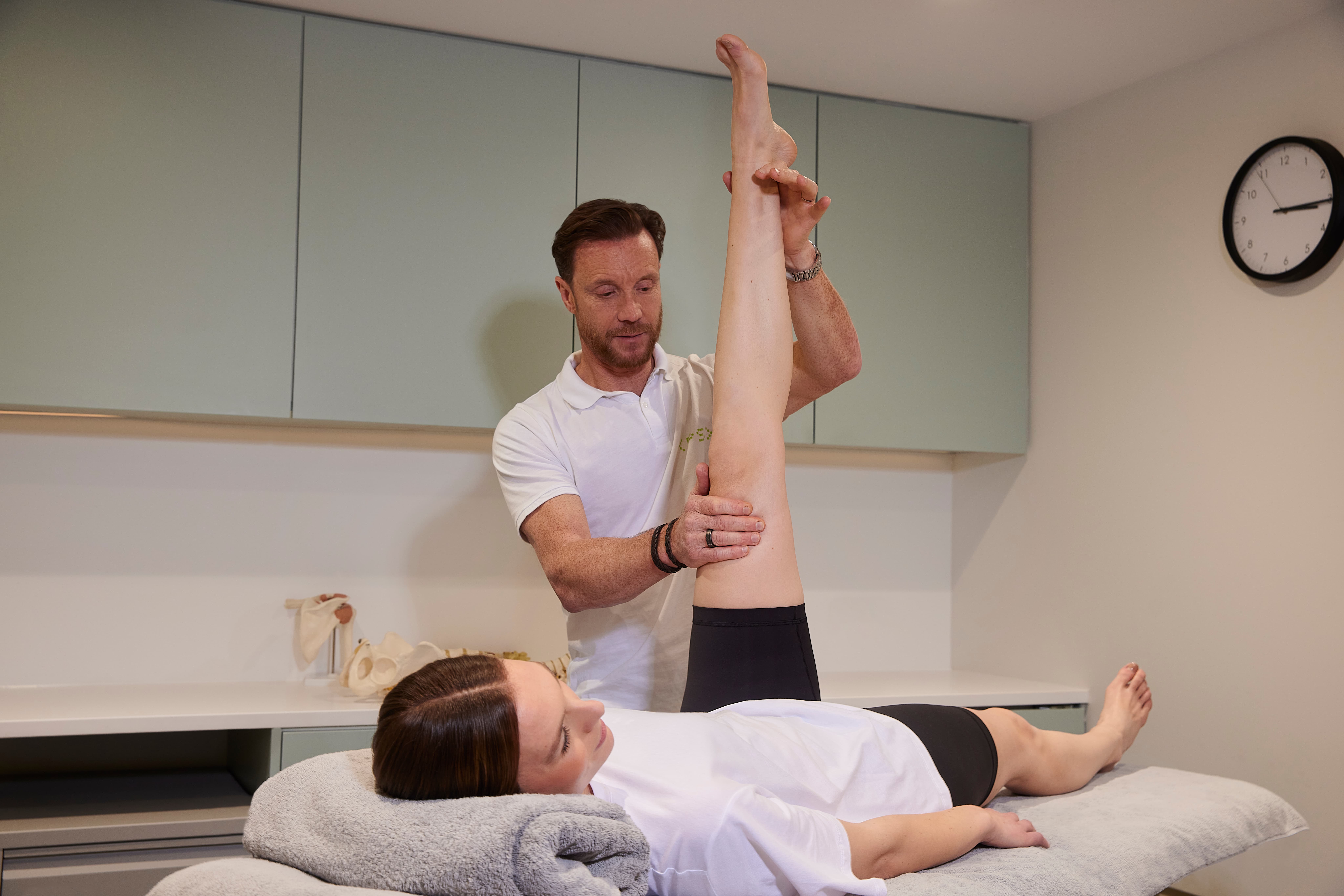
It sits within a broader system that includes personal training, nutrition, health testing, physiotherapy, osteopathy, recovery, and longevity-focused support. This integrated model allows your programme to reflect how your body actually works, rather than treating each area separately.
Our gym on Brook Street in Mayfair is designed to support this joined-up approach. For professionals based around Mayfair, having expert-led training, testing, therapy, and recovery in one private setting makes consistency easier.
For example, your programme may involve strength training to support bone and muscle health, nutrition guidance to support recovery and long-term wellbeing, and therapy input if pain, stiffness, or movement limitations are affecting how confidently you train.
As HOOKE is a quick stop from Hyde Park, clients can also connect their structured gym-based programme with walking, outdoor movement, or low-impact activity as part of a wider lifestyle strategy. This does not replace targeted strength work, but it can help make movement feel more integrated into daily life.
HOOKE’s personal training environment is designed to remove distractions and support focused, structured progress. Sessions are personalised around your goals, schedule, training experience, and physical requirements, with access to therapy and recovery services under the same roof.
For bone health, that joined-up approach matters.
When Should You Consider a Bone Density Programme?
A Bone Density Programme may be worth considering if you want to take a more proactive approach to long-term physical health.
It may be especially relevant if you:
- Want to maintain strength, mobility, and independence as you age
- Are approaching or moving through menopause
- Have been told you have low bone density, osteopenia, or osteoporosis
- Want to train with more confidence
- Have had a previous fracture from a minor fall or injury
- Are returning to exercise after a long period away
- Want expert guidance rather than generic advice
- Are interested in longevity and long-term physical resilience
You do not need to arrive with all the answers.
A structured assessment can help identify what matters most for you and whether the programme is appropriate for your needs.
Taking a Proactive Approach to Bone Health
Bone density matters because it affects more than your bones.
It influences how confidently you move, how well your body tolerates training, and how prepared you are for the physical demands of later life.
The good news is that bone health is not something you have to approach with guesswork. With the right information and a structured plan, you can take practical steps to support your body over time.
At HOOKE, our Bone Density Programme in Mayfair is designed to help you understand your starting point and build a personalised strategy around training, nutrition, movement, and long-term health.
If you want to better understand your bone health and how it fits into your wider fitness, performance, and longevity goals, speak with the HOOKE team.
We can help you explore whether the Bone Density Programme is the right next step for you.
Bone Density FAQs
What is bone density?
Bone density refers to the amount of mineral content within your bones. It is one measure used to understand bone strength and potential fracture risk.
Why does bone density matter?
Bone density matters because it contributes to long-term strength, resilience, movement confidence, and physical independence as you age.
Can exercise improve bone density?
Exercise can support bone strength, particularly strength training and appropriate impact exercise. The right approach depends on your current ability, health history, injury background, and risk factors.
Who should consider a Bone Density Programme?
A Bone Density Programme may be useful if you are focused on healthy ageing, approaching or moving through menopause, concerned about low bone density, returning to training, or looking for a more proactive approach to long-term physical resilience.
Is bone density only a concern for older adults?
No. Bone health becomes increasingly important with age, but the habits that support it can begin earlier. Training, nutrition, lifestyle, and appropriate assessment can all play a role in supporting long-term bone health.
Do I need a DEXA scan before starting?
Not always. A DEXA scan may be recommended in certain situations, particularly where there is an increased risk of osteoporosis or fracture. A qualified professional can help you understand whether testing is appropriate for your circumstance.
.svg)
.svg)
.svg)