Training in Mayfair: Strength, Movement & Long-Term Performance
Training no longer fits neatly into a single category, with more people than ever looking for approaches that improve how they move, perform, recover, and feel over time.
This has become increasingly visible in Mayfair. Professionals balancing demanding schedules and high stress levels are seeking options that support their performance and health without exacerbating burnout.
Effective solutions don’t segment modalities; instead, they offer a combined approach to strength, movement quality, recovery, and progression. Integrating health as a primary focus often leads to greater impact and consistency, rather than relying on a single method.
In this post, we’ll look at how these elements can work together, different training options, common mistakes that undermine sustainability, and more.
Why People Are Beginning to Train Differently
It used to be that training goals and fitness were approached through the lens of a specific outcome, such as weight loss or aesthetics. While this is still applicable to some groups, many are now looking for a more sustainable, broader outcome.
Mayfair and the greater London area are prime examples of this, with training often shaped as much by lifestyle demands as by physical goals. Long working hours, frequent travel, and sustained high stress levels influence how people approach fitness and recovery.
This leaves one-size-fits-all approaches inefficient.
For some, training becomes a way to improve strength and body composition, yet for others, movement quality, mobility, quality of life, and long-term physical resilience are more important. Achieving these aspirations, without consistently cycling through intense short-term programmes, is becoming the desire.
As a result, training itself becomes more individualised, with greater emphasis on adaptable programming.
How Different Training Methods Support Different Outcomes
The question then becomes: ‘What is the right training method for me?”
Modern training can take many forms, depending on priorities; long gone are the days when weightlifting at a local gym was the only accessible option. Now, multiple options exist, each with a different approach that supports the body in different ways.
Rather than competing with one another, these approaches often become more effective when strategically combined. Not only do different forms of training support different stages of progress and performance, but they can also greatly influence recovery and long-term health.
At Hooke Fitness, we offer two different yet highly individualised training approaches:
Personal Training (PT)
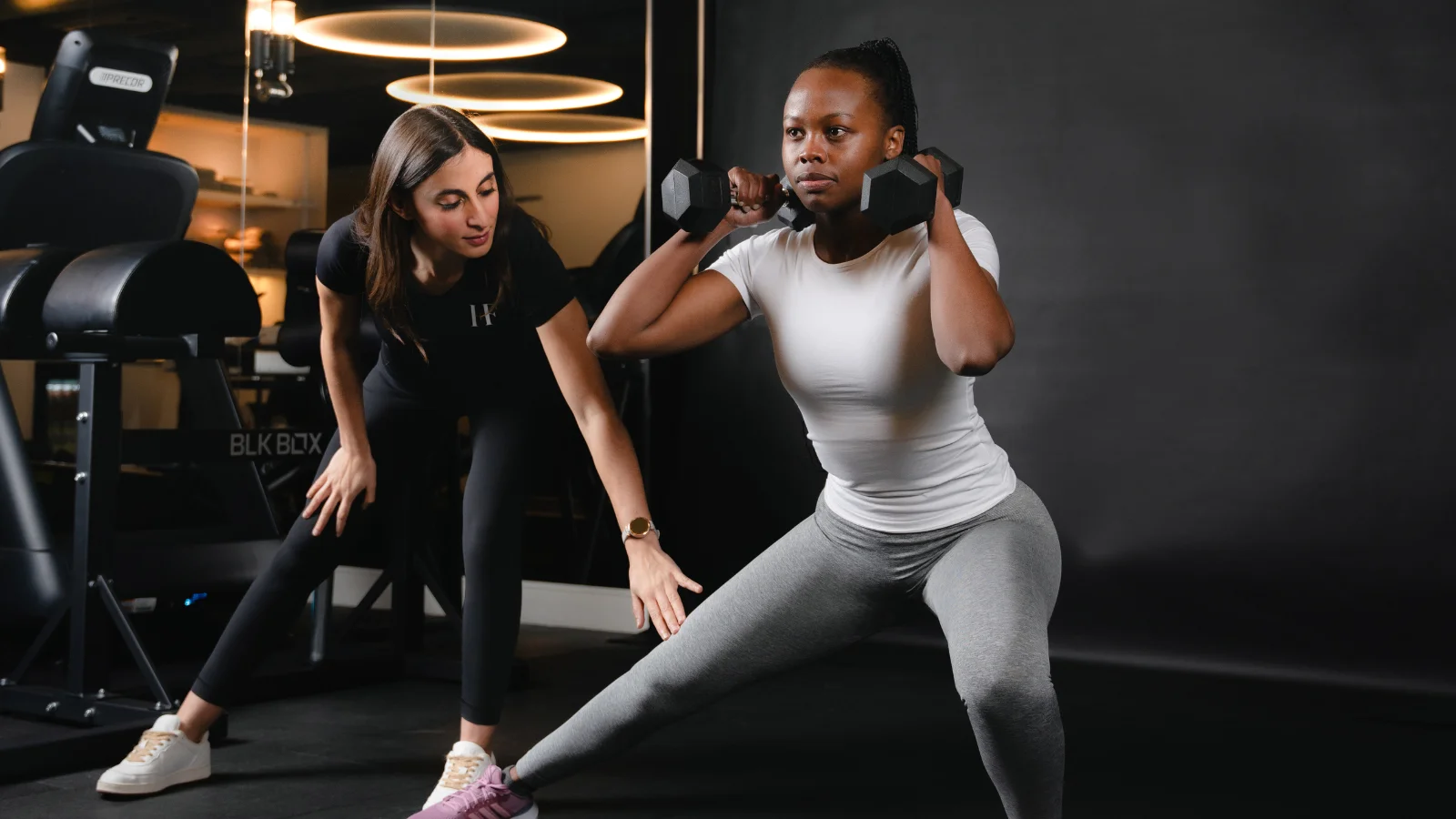
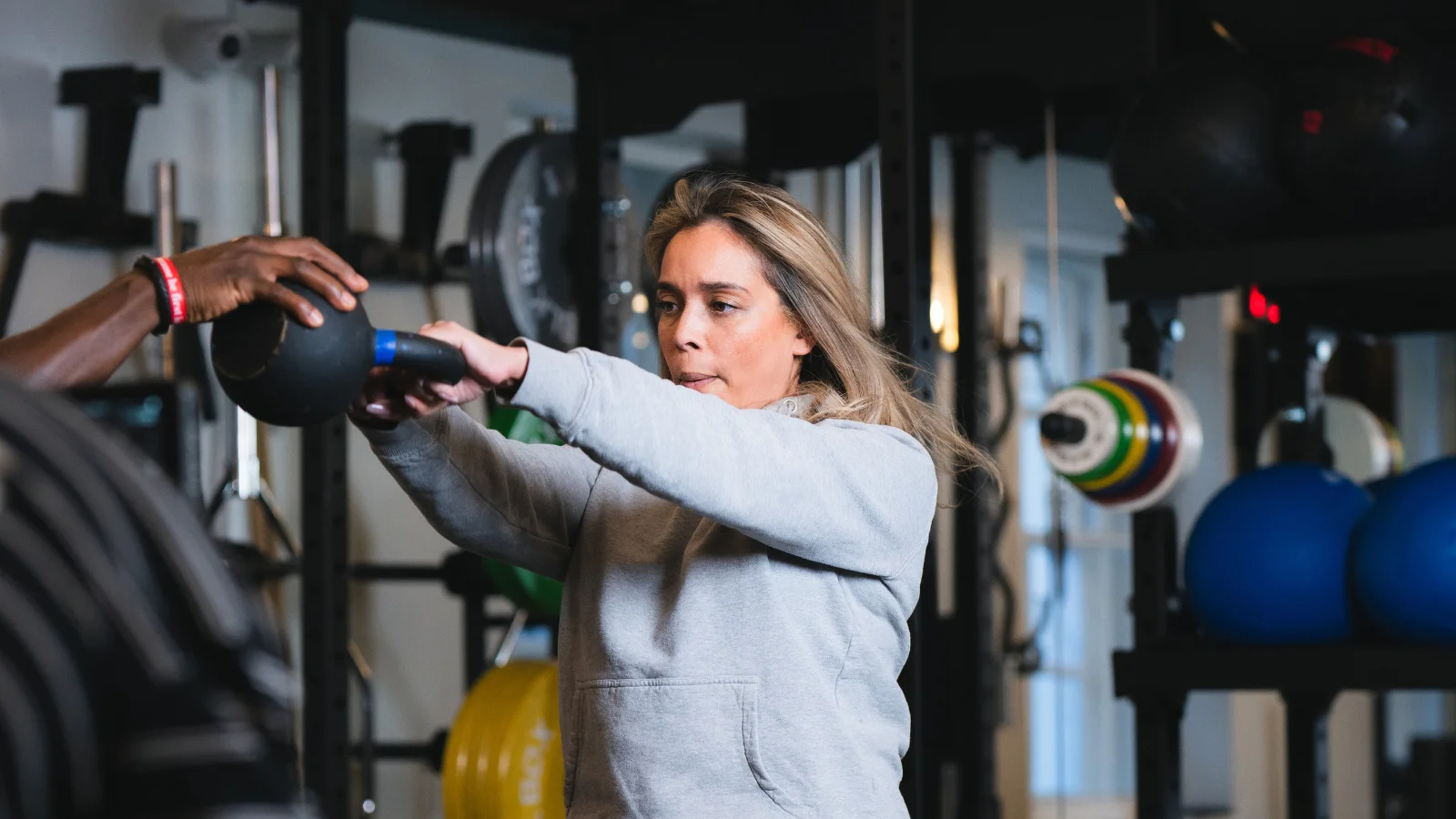
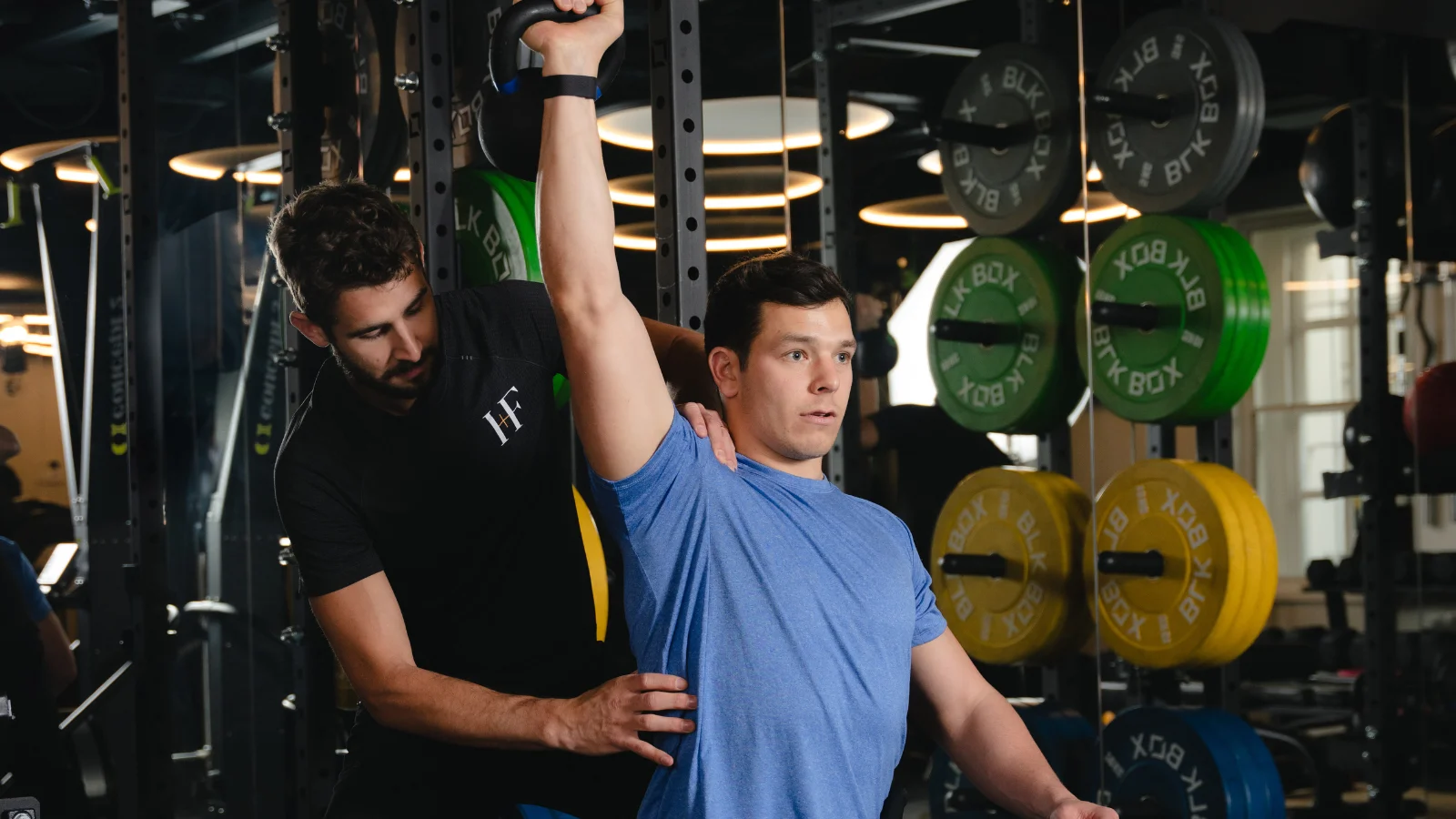
Personal training focuses on structured progression and measurable outcomes, implementing strong guidance and accountability to ensure long-term consistency. Sessions can centre around:
Strength development
Body composition
Cardiovascular fitness
Conditioning
Movement mechanics
Sport-specific training
Or overall fitness.
A leading benefit of personal training is adaptability. Programmes are tailored to experience level, lifestyle demands, current injuries, mobility restrictions, and more, with your long-term goals always guiding consistent progress.
Additionally, PT helps overcome consistency challenges, as demanding careers or chaotic schedules often lead to missing gym sessions. This approach removes the reliance on motivation alone and makes training more sustainable.
Pilates
In contrast, Pilates approaches movement from a different perspective, focusing more heavily on:
Posture
Mobility
Stability
Coordination
Controlled movement patterns
Body awareness
Pilates, contrary to conventional wisdom, can still be physically demanding, but the emphasis may be on movement quality and control rather than on intensity alone. As such, it becomes invaluable for improving movement and developing better movement efficiency.
This focus also makes it a great option for those who spend long periods sitting at desks or are subject to physically repetitive routines. Improving posture and overall movement function has cascading effects on daily quality of life, improving every facet of your day.
Why Movement Quality Matters
Your quality of movement goes far beyond how you walk.
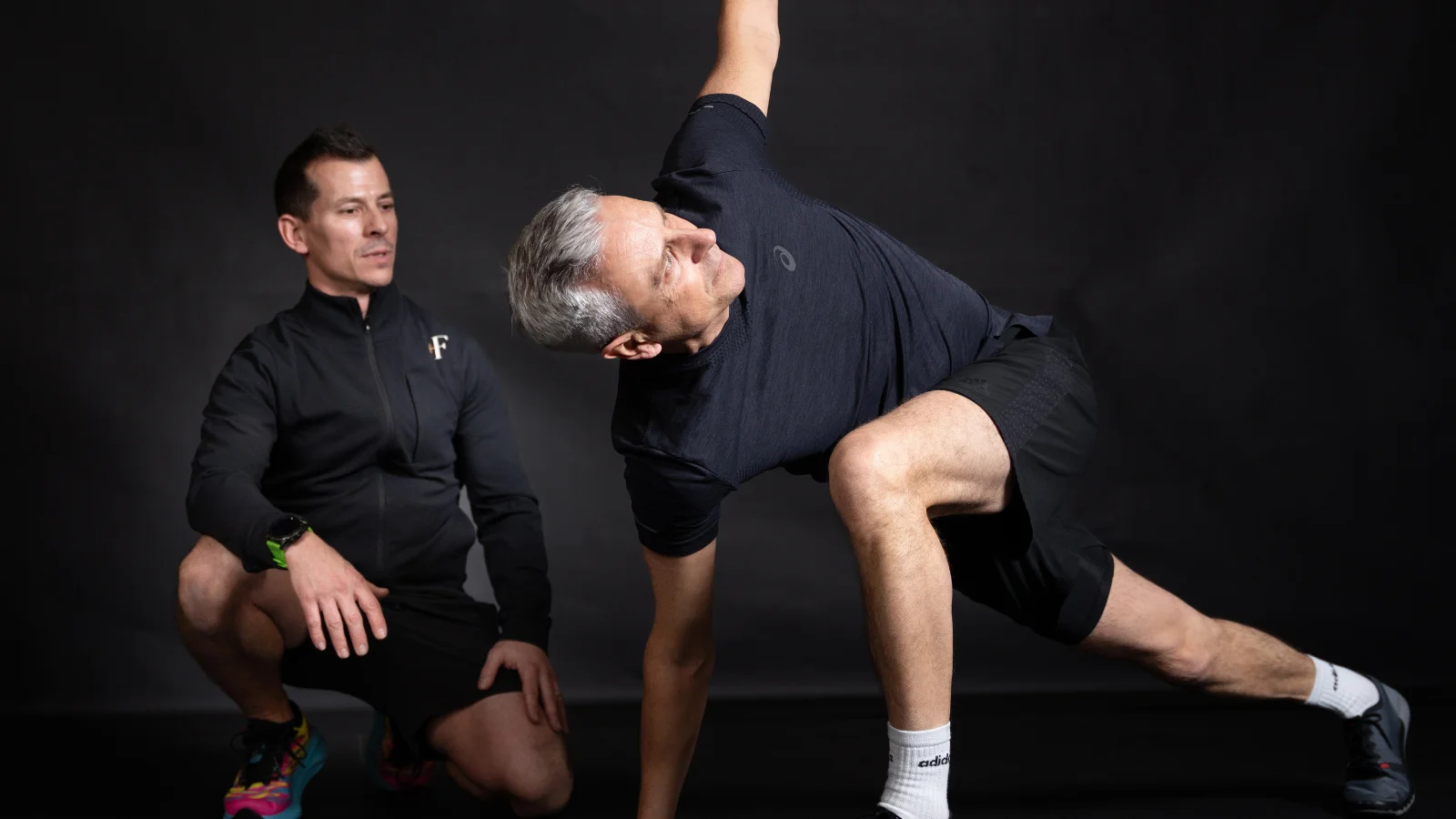
Movement quality refers to how effectively the body performs both in and out of training. Strength and conditioning are important, but poor movement mechanics or a lack of control can eventually limit progress and cause unnecessary strain.
Left unchecked, this can cause injury.
Improving movement quality may involve developing better posture and stability, improved coordination, body awareness, and mobility. Often, these are examined not for their impact on daily life but for how they improve training.
While it’s true that improvements will benefit training sessions, more often than not, the impact is greater in daily life. Improving movement quality can also positively influence how your body feels throughout the day.
Suddenly, you feel more fluid at work and more at rest at home, which can also positively impact your activities during these periods.
Why Combining Different Training Methods Often Works Best
Different training methods aren’t necessarily better than one another. In most cases, the better option comes down to individual body mechanics, personal goals, and subjective preference.
That said, many training methods, such as personal training and Pilates, complement one another.
Strength-focused training can improve resilience, fitness capacity, and overall performance, while Pilates can support mobility, posture, movement quality, and recovery. When combined, the two create a more balanced approach to training that supports both performance and longevity.
This becomes increasingly valuable as training goals evolve over time, as, for example, someone starting with body composition goals may later prioritise mobility.
Effective training should adapt to these changes in goals rather than stay in a rigid structure.
Why Sustainability Matters More Than Intensity
Sustainability and intensity are always topics of discussion with our trainers.
The proverb “no pain, no gain” is still widely used and is among the most common misconceptions in fitness. Training harder doesn’t always mean better, and approaching training with the mindset that every session should feel extreme can quickly lead to burnout or, worse, injury.
Intensity certainly has its place, but often comes at the cost of sustainability. This is particularly relevant if you’re someone balancing a demanding schedule or consistent high levels of stress.
Thankfully, recovery is no longer being viewed as something you do between workouts. Sleep quality, hydration, mobility work, stress management, and nutrition all influence how effectively our bodies adapt to physical training.
Modern training environments are recognising this connection. For us at Hooke Fitness, recovery-focused options, such as sauna use and cold exposure, mobility work, and therapy support, integrate into our long-term fitness strategies for our clients because they help manage physical and mental fatigue more effectively.
With strong recovery availability, sustainable training becomes easier, leading to better consistency and improved long-term progress.
What Prevents Long-Term Progress
Even with good intentions, many struggle to maintain progress because their training approach does not adapt to their lifestyle, goals, or recovery capacity.
A common mistake we see is progressing too aggressively.
Dramatically increasing training volume and intensity too quickly can increase fatigue and make consistency more difficult over time. Similarly, this can induce burnout much more quickly and cause potential injury if volume and frequency are increased before form is improved.
Another unfortunate challenge many face is comparing their progress to others on social media. Insecurities born of comparison often lead people to place unrealistic expectations on themselves about what they should look like and what they should be doing.
Our Mayfair personal trainers tackle this topic with clients, as trying to replicate extreme routines, unrealistic schedules, or constant high-intensity training often leads to burnout rather than sustainable progress.
Social media can also present different fitness trends or approaches, leading to a shift from structured progression to short-term motivation. Meaning, the constant changing of programmes, trying trends or approaching fitness in cycles of the flavour of the month, rather than seeing a programme to completion.
Finally, overlooking recovery.
Progress occurs during recovery, and without sufficient recovery support, performance can plateau and injury risk increases. This also relates to the extent to which lifestyle factors influence physical performance. Work stress, sleep quality, travel, and overall energy levels all affect how the body responds to training.
Failure to prioritise recovery in these areas - of those you can realistically control - will create long-term progress challenges.
How Your Training Environment Influences Consistency
One final element to consider is your training environment.
Where you train can significantly influence your motivation and consistency, and often determines how sustainable a routine feels over time.
Programming and coaching quality, of course, are important, but for some people, a calmer, more private atmosphere can improve focus and confidence. Similarly, others benefit from access to multiple services in close proximity, rather than having to travel between providers.
Environmental impact is bigger than it first seems, and is a primary factor in our integrated approach. At HOOKE Fitness, we incorporate our training, recovery, and therapy options under one roof. This makes training far more efficient for those in Mayfair who may not have the time or energy to manage separate locations, coaches, and recovery providers independently.
This integrated environment also creates greater continuity between different aspects of your health and performance. Instead of treating strength work, rehabilitation, and recovery as separate processes, they instead become part of your broader long-term strategy.
Training also becomes easier to maintain when it supports daily life rather than competing against it. Shorter structured sessions, flexible programming, and integrated recovery support can often produce more sustainable outcomes than rigid routines built around unrealistic schedules.
Make Training Easy With HOOKE Fitness
Training works best when it supports both performance and sustainability. Combining strength, movement, recovery, and personalised coaching can create a more balanced approach that evolves alongside your goals and lifestyle.
We have designed our Mayfair training environment to support long-term progression through integrated coaching, movement-focused training, and recovery support in a single space. To access our gym space or work with one of our personal trainers, get in touch or book through our personal training page.
.svg)
.svg)
.svg)