Pain, Injury & Rehabilitation in Mayfair: Which Treatment Is Right for You?
Pain and injury can significantly impact daily life.
The challenge for many is not recognising that something is wrong, but in understanding which type of therapy is most appropriate for what they’re experiencing.
A sore lower back, recurring sports injuries, persistent neck tension, or discomfort during specific exercises can present differently and require different approaches. That said, knowing which approach is needed isn’t always immediately clear.
Physiotherapy is often the first choice when searching for solutions, but other therapies such as osteopathy, sports therapy, and even massage may be more suitable depending on the underlying issue.
At our Mayfair facility, access to these treatments was the primary driver of our under-one-roof approach. This not only makes it easy for our clients to access the right therapy for their issue but also benefits them by providing training, recovery, and testing services that help practitioners consider their wider health, movement, and performance goals.
In this post, we’ll look at each of these therapies to better understand when they may suit your issue, the signs you may benefit from them, and why having access to them under one roof better supports your needs.
Why Different Therapy Approaches Exist
Injuries, aches, and movement restrictions are often more complicated than they first appear.
Not all injuries develop the same way. Some issues arise suddenly after an accident or training session, while others develop gradually over months or even years through repetitive movement, poor form, stress, or other lifestyle factors.
The wide range of potential causes means no single therapy is suitable for every session.
For example, a person recovering from surgery will often require a different rehabilitation pathway than someone looking to reduce muscle tension.
Specialist therapies, therefore, become invaluable, each offering its own assessment methods and treatment techniques designed to address specific challenges.
Four common treatment options in Mayfair are Physiotherapy, Osteopathy, Sports Therapy, and Massage Therapy. Let’s look at each of them to help identify when your unique issue might benefit from their approach.
When Physiotherapy May Be the Right Choice
Physiotherapy focuses on restoring movement, function, and physical capacity following injury, pain, illness, or surgery.
It is often the most appropriate option when an injury is affecting daily activities, exercise performance, or long-term physical function. Treatment plans combine assessment, rehabilitation exercises, movement education, and hands-on treatment where appropriate.
Physiotherapy commonly addresses:
Sports injuries
Joint pain
Tendon issues
Post-operative rehabilitation
Back and neck pain
Mobility restrictions
Physiotherapists also work with acute injuries and long-standing conditions, helping you understand why symptoms developed and what steps can support sustainable recovery. Rather than only managing symptoms, physiotherapy aims to identify contributing factors and develop a structured plan to support long-term improvement.
When Osteopathy May Be More Appropriate
Osteopathy takes a broader view of how the body's systems work together.
An osteopath considers how muscles, joints, connective tissues, fascia, posture, and movement patterns interact, recognising that discomfort in one area may be influenced by restrictions elsewhere in the body.
People often choose osteopathy when experiencing:
Persistent aches and pains
Joint stiffness
Reduced mobility
Postural issues
Recurrent discomfort that continues to return
Treatment commonly involves hands-on techniques designed to improve movement quality and reduce mechanical restrictions throughout the body.
Someone experiencing recurring neck tension, for example, may discover limitations in other parts of the body. By assessing the body as a whole, osteopathy can help uncover these relationships and support more effective long-term outcomes.
How Sports Therapy Supports Active Individuals
Sports therapy is specifically focused on helping active individuals recover from injury and continue performing at their best.
Despite the name, sports therapy is not reserved for professional athletes, and it is a common misconception that it’s not applicable to you if you’re not an athlete. Anyone who exercises regularly, participates in recreational sports, or maintains an active lifestyle can benefit from this approach.
Sports therapists commonly work with:
Running injuries
Gym-related injuries
Muscle strains
Ligament injuries
Overuse conditions
Return-to-sport rehabilitation
A key aspect of sports therapy is understanding the demands placed on the body during exercise. Treatment and rehabilitation plans are often designed around specific activities, helping individuals regain confidence and return to training safely.
Sports massage, for example, can be a powerful recovery option used alongside sports therapy treatments, especially for active professionals training around busy schedules. Many in Mayfair fall into this category and may find that regular sessions help keep their recovery in top form.
Where Massage Therapy Fits Into Recovery
Massage therapy occupies a unique position within the therapy and recovery landscape.
Unlike rehabilitation-focused treatments that address specific injuries, massage is often used to improve comfort, reduce muscular tension, and support recovery between periods of physical activity.
Regular massage therapy can be beneficial for individuals experiencing:
Tight muscles
Training-related soreness
Occupational tension
Stress-related muscle discomfort
General feelings of stiffness
It is also commonly incorporated into broader recovery strategies alongside other therapeutic interventions.
Many professionals working in Mayfair spend long hours at desks, in meetings, or travelling throughout central London. These demands can contribute to muscular tightness and movement restrictions that gradually affect comfort and performance. Massage therapy can help address these issues while promoting relaxation and improved movement quality.
Signs You May Benefit From Therapy
While every situation is unique, several common signs indicate that professional assessment may be worthwhile. Understanding that therapy options, such as those listed above, are useful for both prevention and intervention.
Taking time to focus on your body and to address an issue early can prevent it from worsening or impacting other body mechanics.
Pain That Persists Beyond a Few Weeks
Ongoing pain that does not improve with rest or self-management may indicate an underlying issue that requires professional attention.
Recurring Injuries
If the same injury or area of discomfort recurs, there may be contributing factors that have not yet been addressed.
Reduced Mobility or Flexibility
Difficulty moving freely, reaching certain positions, or maintaining normal flexibility can affect both daily activities and physical performance.
Difficulty Exercising Comfortably
Pain, discomfort, or movement restrictions during exercise may benefit from assessment to identify the cause and support a safe return to activity.
Stiffness That Affects Daily Activities
Persistent stiffness can make routine tasks more challenging and may indicate restrictions that could be improved through appropriate treatment.
Ongoing Discomfort During Work or Leisure Activities
Sitting at a desk, travelling, or participating in hobbies can become increasingly frustrating when discomfort regularly interferes with daily life.
Slower Recovery Following Training Sessions
If recovery times are becoming longer than usual, it may be a sign that the body is struggling to cope with training demands or underlying issues.
Many people delay seeking treatment because symptoms seem manageable. However, addressing concerns early often provides a clearer path towards recovery and may prevent minor issues from becoming more significant problems.
What Happens During Your First Appointment?
An unfortunate byproduct of seeking a solution is the uncertainty surrounding a first appointment.
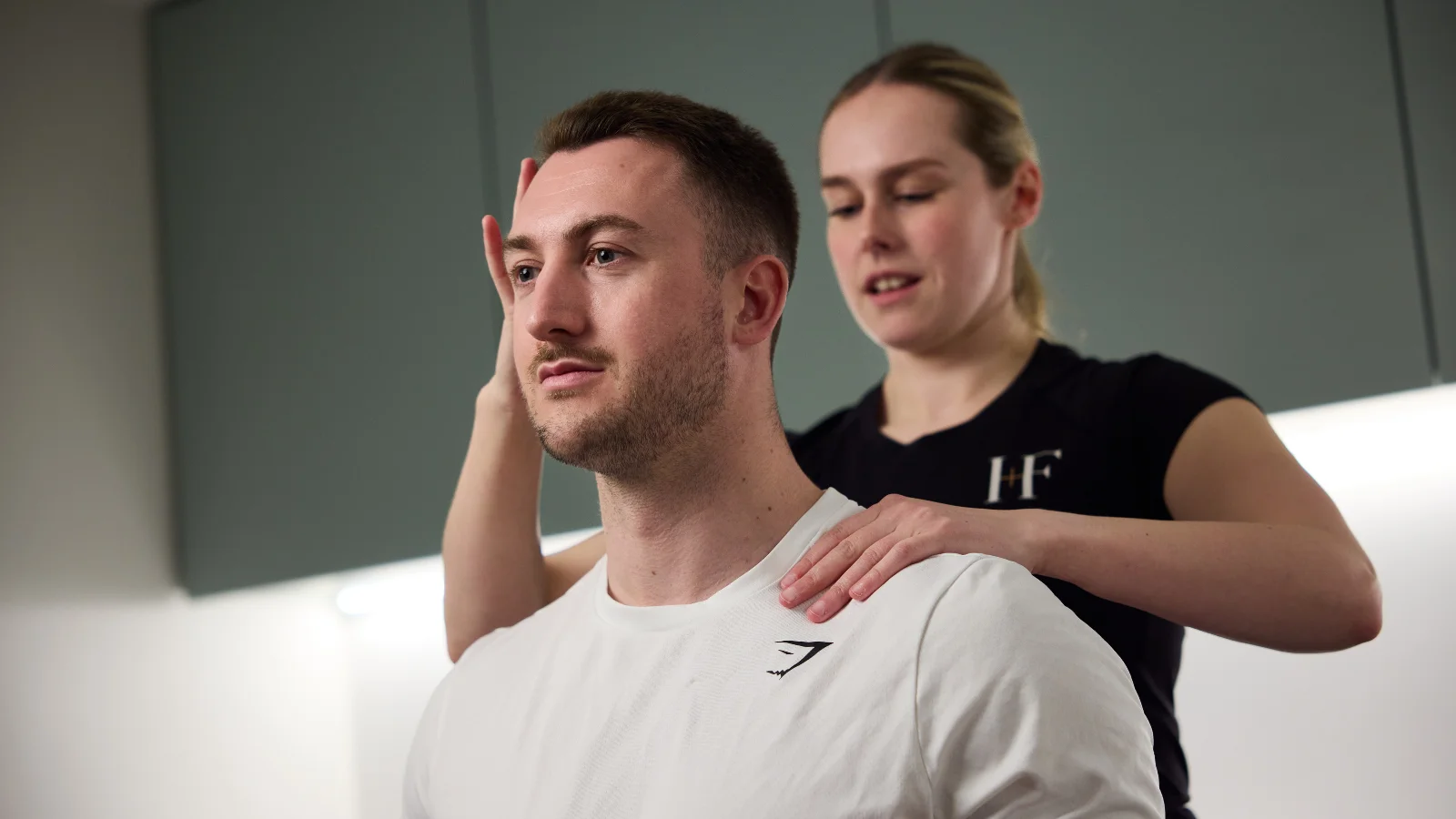
Initial appointments are designed to build a clear understanding of your symptoms, health history, lifestyle, training habits, and goals. Our practitioners, for example, will discuss when symptoms began, what aggravates or relieves them, and how they are affecting daily life or performance.
Depending on the issue, the appointment may also include movement assessments, mobility testing, strength testing, or other relevant examinations to help identify contributing factors.
Following the assessment, you'll receive guidance on the most appropriate treatment pathway. This may involve a specific therapy service, a rehabilitation plan, hands-on treatment, or recommendations for ongoing support.
Our goal with your first appointment is to provide clarity around the issue and establish practical next steps towards recovery and improved performance, not lock you into a long-term recovery plan or overwhelm you with industry jargon.
The Benefit of Having Multiple Therapy Services Under One Roof
One of the most considerable challenges individuals face when seeking treatment is determining which therapy is needed before they’ve received a professional assessment. The reality is that the most appropriate isn’t always obvious.
An issue that initially appears to require physiotherapy may benefit from osteopathic treatment, while a sports injury may require rehabilitation support from a sports therapist before transitioning into ongoing recovery work.
Therein is the issue. If multiple practitioners are needed, navigating multiple clinics to find what you need can be frustrating and conflict with your schedule. Having access to multiple therapy disciplines within the same environment allows for a more joined-up experience that works towards a shared outcome: removing frustrations while helping you move, feel, and perform better.
Similarly, having these services available within the same environment allows treatment plans to evolve naturally as needs change.
An integrated setting also creates opportunities for practitioners to collaborate. Instead of receiving isolated recommendations from multiple providers, individuals can benefit from a more coordinated approach that considers their recovery, movement quality, performance goals, and long-term health together.
This integrated approach has been particularly valuable for our Mayfair clients who want clear guidance and efficient access to appropriate care. They’re given guidance on which approaches are needed and why, and then are directly communicated with by our different practitioners, rather than having to seek that new level of support elsewhere.
Finding the Right Path To Recovery
Choosing the right therapy support for your problem isn’t always straightforward. Each discipline plays a distinct role, and the most effective option depends on your unique needs.
The good news?
You don’t need all the answers before seeking support.
A professional assessment can help identify the contributing factors to your issue and guide you towards the most appropriate treatment pathway. Rather than leaving these issues to escalate and persist, preemptive engagement with therapies can help uncover the cause and support long-term improvement.
If you’re looking to get started but aren’t sure which therapy option is right for you, get in touch with our team via contact@hooke.fit to start the conversation and speak with a practitioner about your needs.
.svg)
.svg)



.svg)