Health & Performance Testing in Mayfair: What Your Body Can Tell You
Many invest considerable time and effort in their wellness, following training plans, changing their diets, and developing routines with the specific goal of improving performance and overall health.
Yet, despite these efforts, progress is often guided by assumptions rather than objective information.
Questions such as “Am I fit?”, “Am I training at the right intensity?” and “How well am I ageing?” can be surprisingly difficult to answer without accurate data.
Health and performance testing can provide this insight, helping you understand how your body functions and make informed decisions about training, recovery, nutrition, and long-term health without guesswork.
In this post, we highlight why this data matters, explore the testing services you can expect in Mayfair, and cover who may benefit from health and performance testing, as well as when to consider it.
Why Data Matters for Health and Performance
Many aspects of health and fitness are difficult to judge accurately through gut feeling.
Someone may assume they have excellent cardiovascular fitness from regularly training, only for testing to reveal many opportunities for improvement. Similarly, another may carefully track their nutrition while unknowingly overestimating or underestimating their daily energy requirements.
While experience and intuition have value, objective testing offers a level of clarity that is difficult to achieve through observation alone. In our experience, this clarity often provides much-needed relief, as guessing is no longer part of the equation and is replaced by a clear outline.
This information can be used to influence almost every aspect of health and performance, from training decisions to understanding current fitness levels and goal setting.
Additionally, testing results can support more effective nutritional planning and provide a reliable way to track progress over time.
While tracking can provide this valuable, objective insight, the goal shouldn’t be confused with simply collecting numbers. The real value of performance and health tracking comes from understanding what those numbers mean in an actionable sense.
What VO2 Max Testing Reveals
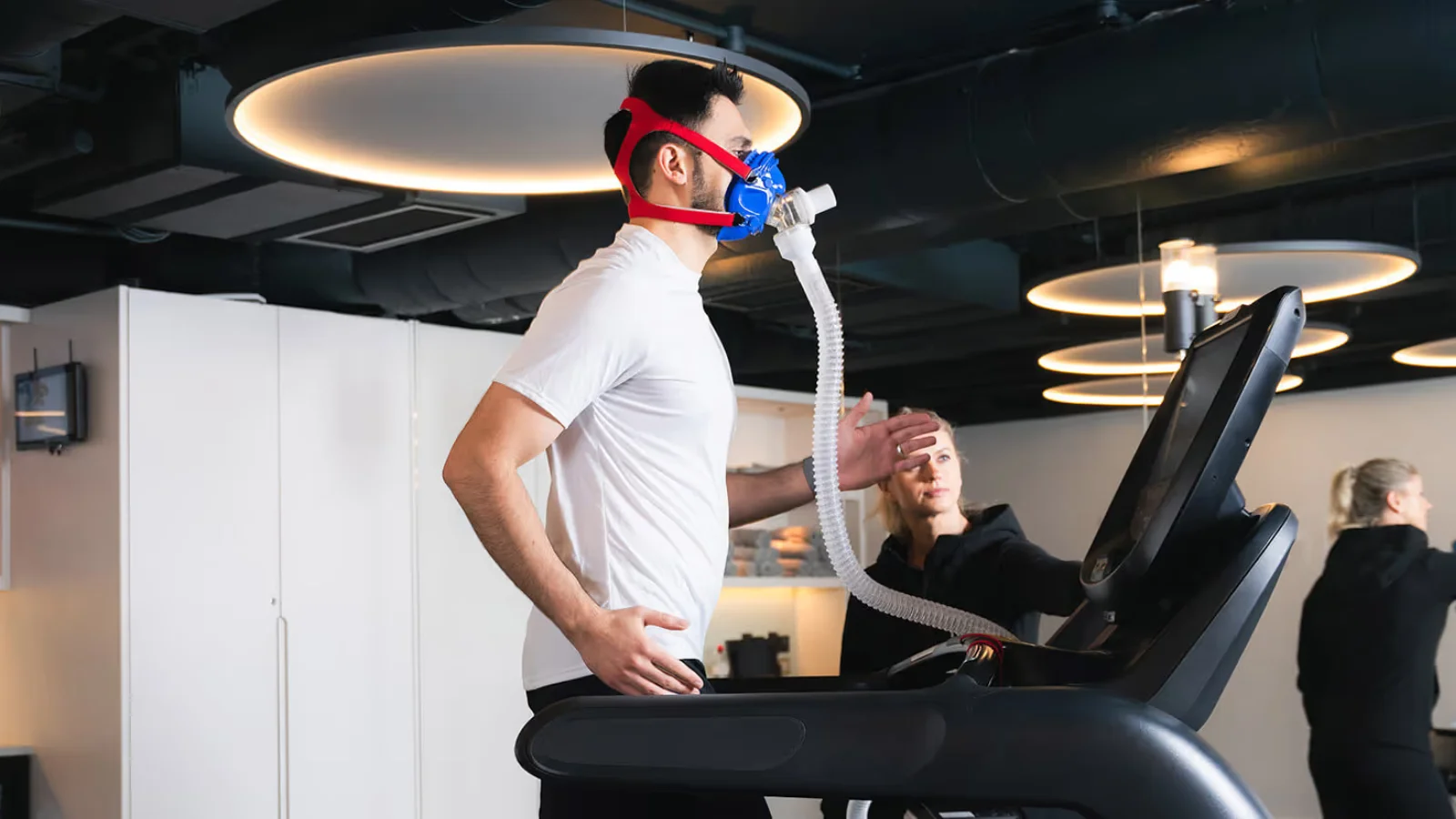
VO₂ Max Testing is often regarded as one of the most useful indicators of cardiovascular fitness.
It measures the maximum amount of oxygen your body can utilise during exercise, providing insight into how effectively your heart, lungs, and muscles work together under physical demand.
Given the outcomes, many associate VO₂ testing with elite athletes and high performers, when in reality, it can be valuable for anyone interested in better understanding their cardiovascular capacity.
VO₂ max testing can help:
Establish a fitness baseline
Monitor improvements in capacity over time
Inform training intensity levels/training heart rate zones
Identify core areas for development
Support endurance-focused goals
Rather than asking how fit you think you are, this assessment helps provide measurable evidence of your current capacity and capabilities.
Understanding Your Lactate Threshold
In contrast to VO₂ max testing, which measures overall aerobic capacity, Lactate Threshold testing identifies how effectively the body performs at different exercise intensities.
The body begins producing lactate more rapidly as exercise becomes more demanding. Eventually, there reaches a point where lactate accumulates quicker than your system can clear it.
This point is known as the lactate threshold.
Compared to other testing options, this may seem like nuanced data. However, understanding where this threshold occurs is valuable for endurance athletes, such as runners, cyclists, and rowers, as well as for those training for triathlons.
Lactate threshold testing can help:
Identify the exercise intensity at which lactate begins to accumulate rapidly in the blood
Determine your aerobic and anaerobic training thresholds.
Determine effective heart rate training zones
Identify the most effective training intensities for improving endurance.
Support endurance performance
Reduce reliance on estimated training intensities
Guide structured training programming
Athletes and active individuals can use their lactate threshold data to make informed decisions about intensity and workload, rather than guessing how hard they have to train for the session to be effective.
Why Resting Metabolic Rate Matters
Nutrition is another pillar supporting performance and health, with questions commonly concerning calorie requirements.
Online calculators have become popular, and while they can provide estimates, they cannot accurately account for the unique characteristics of every individual.
Resting Metabolic Rate (RMR) testing measures the number of calories your body requires to maintain essential functions at rest. This precise calculation provides a more personalised understanding of your energy expenditure than generic formulas or other assessment methods.
RMR testing can be useful for those looking to:
Manage body composition
Support fat loss goals
Improve nutritional planning and meal content
Understand their personal energy requirements
Avoid under- or over-fuelling
We find that most are surprised to discover their actual metabolic rate differs significantly from the results given by common online tools. This information then creates a stronger foundation for personalised nutritional decision-making and long-term consistency.
How Longevity Fitness Looks Beyond Performance
Finally, Longevity Fitness assessments take a broader view of physical wellbeing and help you understand factors that may influence long-term health outcomes.
Maintaining health, independence, mobility, and quality of life become increasingly important as we age; equally important is understanding how our current habits may influence our future wellbeing.
Longevity Fitness testing looks to evaluate:
Maximal strength
Strength endurance
Cardiovascular fitness
Functional movement and balance
Body composition
Testing will identify your current performance level for each parameter and rank you within your age and gender group, so you can understand where your performance ranks at the population level and identify the key areas for improvement.
When Should You Consider Testing?
Health and performance testing is not something reserved for elite athletes or those preparing for major competitions.
In many cases, testing becomes a valuable option when you begin to have questions about your progress, performance, injury risk, or overall health. Some choose to undergo testing because their progression has stalled despite consistent efforts, while others are unsure whether their current training or nutrition approach is supporting their goals as effectively as possible.
Testing is also worth considering if you want to establish an accurate fitness baseline early and leverage the objective data to guide your future goals and direction. This data helps remove assumptions and ensures you can make decisions based on your unique data, not on the month's trend or online information.
For those more specialised, testing is invaluable for event and sport preparation, allowing you to hyper-focus on performance goals with data-led approaches and programmes.
Finally, testing early is a proactive approach to ensure you’re aware of your body's inner workings and current limits. Paired with other treatment options, such as Physiotherapy, this ensures that, whatever your goals, you can put your safety first with confidence.
Who Should Consider Health & Performance Testing?
The benefits of health and performance testing extend beyond competitive sports or nuanced lifestyles.
While all four testing methods mentioned previously can be beneficial to anyone, they may be more impactful in certain use cases, depending on your current goals or lifestyle.
Individuals Beginning a New Health Journey
Establishing an accurate baseline early can help create realistic goals and provide a clear starting point for progress. Additionally, early testing helps build confidence in your knowledge of your body and your capabilities.
Recreational Exercisers
Objective feedback is a powerful reinforcer and validator that can help individuals who train consistently maintain motivation. Testing can also identify opportunities for improvement, which can be particularly valuable for overcoming plateaus or reigniting a passion for fitness.
Endurance Athletes
VO₂ max and lactate threshold testing provide valuable insights that support more effective training strategies in endurance athletes. They can also highlight potential weak points, allowing athletes to adapt and improve without relying solely on a coach's interpretation.
Professionals Managing Busy Schedules
Recovery, fitness, and energy requirements can help support sustainable performance in and out of the gym. Consistently managing a busy schedule rarely leaves time to make deliberate, informed decisions throughout all areas of health. Testing can provide the data for these decisions and help guide healthier choices and continuous improvement.
Individuals Focused on Long-Term Health
Longevity assessments can highlight strengths and weaknesses that may influence future wellbeing, which those focused more on long-term health than on specific performance indicators will find useful. This data can guide decisions that not only positively impact future lifestyle changes but also remove ambiguity about one’s health.
Looking Beyond a Single Number to Build Better Decisions
One of the biggest misconceptions surrounding health and performance testing is the belief that a single result can provide all the answers. While individual assessments offer valuable insight, the most meaningful understanding often comes from considering multiple pieces of information together.
VO₂ max testing, for example, reveals how effectively the body uses oxygen during exercise, while lactate threshold helps identify how sustainable different exercise intensities are.
Viewed in isolation, these metrics provide useful information, but only when combined can they create a far more complete picture of how the body is performing and where opportunities for improvement exist. To go even further, testing itself is most valuable when it leads to action.
A VO₂ max score alone won’t improve fitness, nor will an RMR result automatically improve nutrition.
The benefit comes from applying this information effectively through appropriate training, nutritional guidance, recovery strategies, therapy support, and more.
This shift in perspective helps build an understanding of how different aspects of health and performance interact and how they can benefit you in the future.
For many, this is when testing delivers the greatest value: it moves beyond assumptions, creating a clear understanding of current capabilities and future priorities, and guiding an actionable path forward for foundational change.
Turning Information Into Action
Many spend years optimising their health and performance through trial and error, experimenting with new trends and following online guidance. Experience is certainly valuable, but objective data often reveals those true insights that would otherwise remain hidden.
Health and performance testing offer an opportunity to better understand how your body is functioning today and to create a clear roadmap for future progress.
Those in Mayfair looking to capitalise on having objective data to guide their health and progress, get in touch with our testing team via contact@hooke.fit or call us on+44 (0)20 3746 6090 to discuss the right testing options for you and your goals.
.svg)
.svg)

.svg)