Hot weather changes how your body responds to training, daily stress, sleep, hydration, and recovery. During a heatwave, the same workout, workday, commute, or social schedule can place a higher demand on your body than usual.
This does not mean you need to stop moving completely. It means your recovery needs to become more deliberate.
In the modern world, where many people are balancing training with long working hours, meetings, travel, and social commitments, heat can quickly compound fatigue. A smarter approach helps you maintain consistency without pushing your body beyond what it can currently manage.
Why Heatwaves Place More Stress on the Body
A UK heatwave is defined by the Met Office as at least three consecutive days where daily maximum temperatures meet or exceed local threshold levels. These thresholds vary by area, reflecting regional differences in normal summer conditions.
Heat affects more than comfort. Your body has to work harder to regulate temperature, moving blood towards the skin and increasing sweat production to help cool you down. The British Heart Foundation notes that hot weather can increase heart rate, lower blood pressure, and place extra strain on the heart, lungs, and kidneys.
This is one reason recovery matters. When the temperature rises, your normal baseline changes. Training intensity, hydration, sleep quality, nutrition, and stress management all need to be adjusted to reflect the environment you are in.
The Health Impact of Extreme Heat
Heat is not just an inconvenience. In England and Wales, 3,271 excess deaths were recorded during five heat-periods between June and August 2022, according to a joint Office for National Statistics and UK Health Security Agency analysis.
For people aged 65 and over in England, UKHSA estimated 2,803 excess deaths during heat-periods in 2022, the highest figure since the Heatwave Plan for England was introduced in 2004.
UKHSA has also reported a general trend of increasing heat-episode days and heat-associated deaths since annual heat mortality monitoring began in 2016.
These figures do not mean everyone is at equal risk. They do show why heat should be taken seriously, especially when training, recovering from injury, managing a health condition, or trying to maintain performance during periods of sustained high temperature.
Signs You May Need More Recovery During Hot Weather
Your body will often tell you when your current approach is not working.
Signs you may need to adjust include:
- Unusual fatigue
- Higher-than-normal resting heart rate
- Poor sleep
- Headaches
- Dizziness
- Cramping
- Reduced appetite
- Lower training performance
- Heavier perceived effort during normal sessions
- Irritability or reduced concentration
NHS guidance lists tiredness, dizziness, headache, nausea, excessive sweating, cramps, high temperature, thirst, and irritability as symptoms of heat exhaustion.
If symptoms do not improve after cooling down, resting, and drinking fluids, medical advice should be sought. Heatstroke is a medical emergency.
Recovery Starts With Hydration
Hydration is one of the simplest recovery tools, but it is often underestimated.
During hot weather, you lose more fluid through sweat. If you continue training, commuting, drinking alcohol, working long hours, or sleeping poorly, fluid losses can increase further. NHS guidance identifies dehydration, overheating, heat exhaustion, and heatstroke as key risks during heatwaves.
Hydration is not only about drinking water after you feel thirsty. It is about keeping your body supported throughout the day.
This may include:
- Drinking fluids consistently rather than relying on large amounts at once
- Increasing fluid intake around exercise
- Replacing salts when sweating heavily
- Limiting alcohol during extreme heat
- Eating water-rich foods such as fruit, salads, and vegetables
At HOOKE, nutrition support can help you approach hydration as part of a wider performance strategy. This is particularly useful if you train regularly, travel often, or struggle to maintain consistent habits during busy periods.
Why Training Should Be Adjusted During a Heatwave
Training in hot weather can feel harder because your body is already working to cool itself. A session that usually feels manageable may become more demanding, even when the exercises are unchanged.
NHS advice recommends avoiding extreme exercise during hot weather and planning physical activity for cooler times of day, such as early morning or evening. GOV.UK guidance also recommends scheduling physical activity when temperatures are lower and avoiding direct sunlight between 11am and 3pm.
This is where a more flexible approach to training becomes valuable. Rather than guessing whether to push, scale back, or change the session entirely, your programme can be adapted around the conditions.
At HOOKE in Mayfair, personal training can be modified by adjusting:
- Session intensity
- Training volume
- Exercise selection
- Rest periods
- Conditioning demands
- Recovery time between sessions
Pilates can also play a useful role during hotter weeks. When high-output training is not appropriate, Pilates offers a controlled way to maintain movement quality, posture, stability, and body awareness without placing the same cardiovascular demand on the body.
This can be particularly helpful if heat has affected your sleep, energy, or motivation.
The goal is not to lose progress. It is to train intelligently, choose the right type of movement for the conditions, and maintain consistency without adding unnecessary strain.
Therapy Helps Manage Heat-Related Tension and Training Load
Hot weather can change how your body feels and moves. When sleep is lighter, hydration is lower, and training intensity has to be adjusted, stiffness and discomfort can become more noticeable. You may also move less during the day to avoid the heat, which can contribute to tightness through the hips, back, neck, and shoulders.
Therapy can help by identifying whether your body needs treatment, movement support, reduced training load, or a more structured recovery plan during hotter periods.
Physiotherapy may be useful if heat-related fatigue is making an existing injury feel harder to manage, or if you need guidance on how to modify training without losing momentum. A physiotherapist can help adjust exercises, manage load, and support safe movement when your body is under additional stress.
Osteopathy can help when heat, travel, desk-based work, or disrupted sleep contributes to stiffness and reduced mobility. Treatment can focus on improving movement quality, easing mechanical restrictions, and helping your body feel less limited during daily activity.
Sports therapy can support active individuals who want to keep training through a heatwave but need to manage intensity carefully. This may include adjusting recovery between sessions, addressing overuse symptoms, or helping you return to normal training once temperatures settle.
Massage can be useful when muscular tension builds from poor sleep, dehydration, altered posture, or reduced movement. During hot weather, massage should be approached with hydration in mind, with practitioners adapting pressure, session focus, and post-treatment guidance to support comfort and recovery.
At HOOKE in Mayfair, therapy is not treated as a standalone service. It can be integrated with personal training, Pilates, nutrition, and recovery support so your plan reflects how the heat is affecting your body that week. This helps you stay active while reducing unnecessary strain.
Heat, Sleep, and Recovery Quality
Sleep is one of the most important recovery tools, and hot weather can make it harder to achieve.
A warmer bedroom, disrupted routine, later nights, alcohol, and dehydration can all reduce sleep quality. When sleep is compromised, recovery from training becomes less efficient. Energy, concentration, appetite regulation, mood, and movement quality may also be affected.
Improving recovery during a heatwave often starts with practical changes:
- Train earlier in the day where possible
- Keep the bedroom as cool as you can
- Avoid heavy late meals if they disrupt sleep
- Reduce alcohol intake
- Rehydrate before bed without overdoing fluids
- Use lighter bedding and breathable clothing
These are simple changes, but together they can make training and daily performance easier to manage.
Where Sauna and Ice Plunge Fit In
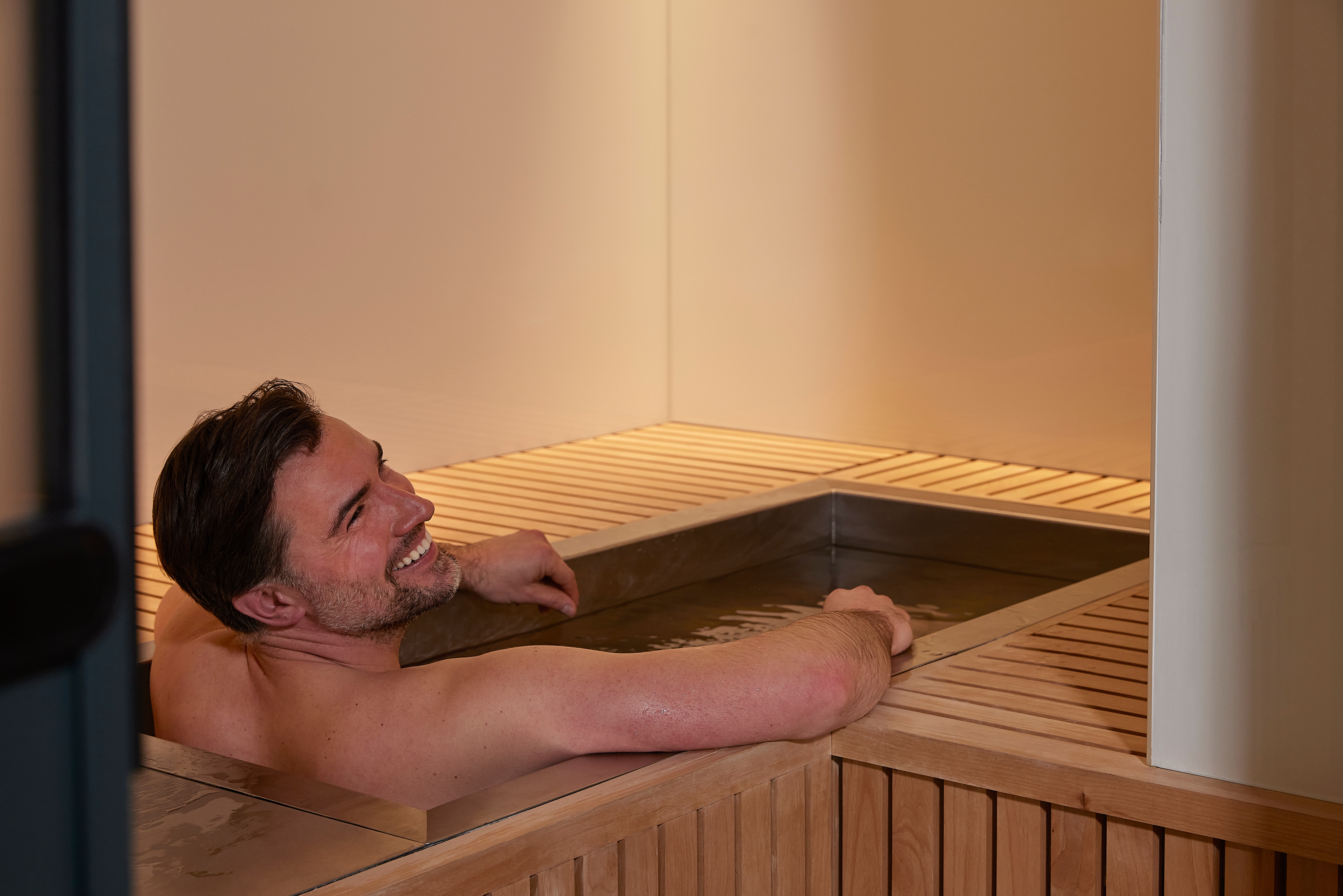
HOOKE’s sauna and ice plunge services in Mayfair can form part of a structured recovery approach, but they should be used thoughtfully during hot weather.
Cold exposure may help you cool down and feel refreshed when applied safely and appropriately. It can also provide a clear recovery ritual after training, helping you shift from physical effort into restoration.
Sauna use requires more caution during a heatwave. Additional heat exposure may not be suitable if you are dehydrated, fatigued, unwell, or sensitive to high temperatures. During amber or extreme heat conditions, the priority should be cooling, hydration, and appropriate rest rather than adding more thermal stress.
The key is personalisation. At HOOKE's Mayfair clinic, recovery services can be considered in the context of your health status, training load, hydration, and wider goals.
How HOOKE Supports Recovery During a Heatwave
During a heatwave, recovery needs to be adjusted across several areas at once. Hydration, training load, sleep, movement quality, and cooling strategies all influence how well your body copes with the added demand of hot weather.
This is where HOOKE’s integrated approach becomes valuable. Instead of looking at one symptom or one session in isolation, your recovery can be shaped around how the heat is affecting your body, routine, and training capacity that week.
Personal training and Pilates can help you stay active without adding unnecessary strain. Your sessions may shift towards lower intensity work, longer rest periods, mobility, technique, or controlled movement when high-output training is not appropriate.
If stiffness, soreness, or recurring discomfort becomes more noticeable, physiotherapy, osteopathy, sports therapy, and massage can help identify whether the issue needs treatment, load management, or a change in how you are moving. This is particularly useful when poor sleep, dehydration, travel, or reduced movement has affected how your body feels.
Nutrition guidance gives structure to hydration, fuelling, electrolytes, and meal timing. Appetite, routine, and energy levels can all change during hot weather, so having a clear plan helps you stay consistent without relying on guesswork.
Sauna and ice plunge services in Mayfair can also be considered carefully. Cold exposure may support cooling and post-training recovery when appropriate, while sauna use should be approached with more caution during hot weather, especially if you are dehydrated, fatigued, or already heat-stressed.
Testing can provide a longer-term view of how your body responds to training and recovery. VO₂ max testing, lactate threshold testing, resting metabolic rate testing, Longevity Fitness testing, and the Bone Density Programme can help clarify your fitness, energy needs, resilience, and recovery requirements. This makes it easier to make informed adjustments beyond a single heatwave.
The value of HOOKE is not simply access to multiple services. It is the ability to connect them around what your body needs in the moment. During a heatwave, that means staying active where appropriate, scaling back where needed, and giving recovery the same level of attention as training.
Take Recovery Seriously Before You Need To
A heatwave is not the time to force your usual routine without adjustment. It is an opportunity to listen more closely, train more intelligently, and give your body the support it needs to perform well.
Recovery is not a pause in progress. It is what allows progress to continue.
If you are training in Mayfair during hot weather, or want to understand how to adapt your fitness, nutrition, therapy, and recovery plan, speak with the HOOKE team. We can help you build an approach that supports your goals while respecting the demands heat places on your body.
FAQs
Should I stop training during a heatwave?
Not always. Many people can continue training safely by reducing intensity, exercising during cooler parts of the day, staying hydrated, and listening to their body. If you feel dizzy, unwell, unusually fatigued, or overheated, stop and cool down.
Is personal training useful during hot weather?
Yes. A personal trainer can adapt your programme around heat, fatigue, hydration, and recovery needs. This helps you keep training without relying on guesswork.
Can Pilates be better than intense exercise during a heatwave?
Pilates can be a strong option when you want to keep moving without the same cardiovascular load as high-intensity training. It supports mobility, posture, control, and movement quality.
Is an ice plunge safe during a heatwave?
Cold exposure may be suitable for some people, but it should be used appropriately. Avoid it if you feel unwell, dizzy, dehydrated, or have been advised against cold exposure for medical reasons.
Should I use a sauna during a heatwave?
Sauna use should be approached carefully in hot weather. If you are dehydrated, fatigued, or already struggling with the heat, additional heat exposure may not be appropriate. Speak with the HOOKE team for guidance.
How can nutrition help recovery in hot weather?
Nutrition supports hydration, energy, electrolyte balance, and training recovery. A personalised nutrition plan can help you adapt food and fluid intake around heat, exercise, travel, and lifestyle demands.
.svg)
.svg)
.svg)